
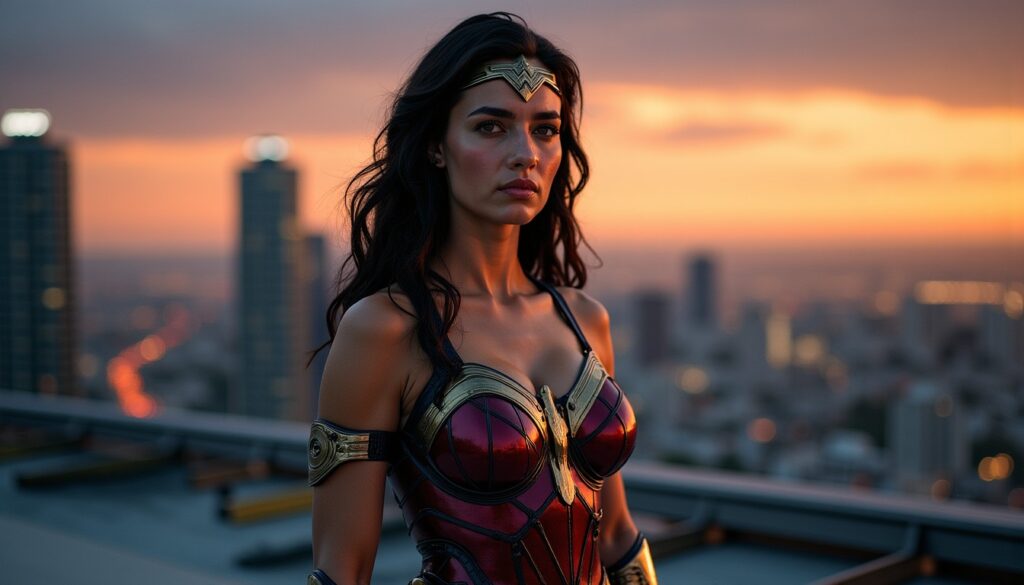
DC surprised fans with the release of Next Level: One Shot #1 in August 2026, where an unseen Wonder Woman makes her appearance. This special edition offers a fresh look at the universe of the famous super-heroine, while introducing innovative and unexpected narrative elements. This unique issue also focuses on Deadshot, a pivotal character of this thrilling story, and highlights a new threat embodied by genetically modified clones of iconic heroes. In this article, we will explore:
- The presentation of this Wonder Woman clone and its implications for the DC universe
- The role of the Drones and their link with the Cadmus organization
- The visual and symbolic aspect of this darker version of the Amazonian
- The importance of Deadshot in this special edition
- The potential repercussions for the Next Level saga and the fans
Let’s go through the details that make this comic book a must-have in the current scene.
A new generation Wonder Woman: clone or threat?
In Next Level: One Shot #1, DC introduces a Wonder Woman who is not the Diana Prince we know. This version is a genetic creation, a clone developed through an advanced scientific process, described as a “Drone” connected to the Cadmus organization. The existence of this character is not meant to replace the historic icon, but rather to offer an alternative, darker version, with more dubious intentions and a hostile appearance.
Through this initiative, DC plays on the duality between the familiar and the new: a heroine recognizable by some traits, but who embodies a threat. This enriches the reading by raising questions about identity, nature, and the values Wonder Woman represents. Created from the DNA of major DC figures, just like other clones of Batman and Superman appearing in the same issue, this Wonder Woman deploys the same physical powers as the original – strength, speed, and combat – but in a conceptual framework where moral sense is absent.
The choice to offer a cloned version emphasizes the theme of technology and genetic manipulation that permeate many contemporary stories. With similar abilities but antagonistic intentions, this avatar highlights the challenge of Next Level in the future development of characters and DC stories, making the universe more complex and unpredictable.
This editorial approach is particularly captivating because it does not marginalize Diana Prince but rather conveys the coexistence of different versions within the same universe. The narrative tension between the original and this reinvented version of Wonder Woman creates an exciting dramatic space, rich with possible confrontations and dilemmas.
Cadmus and the Drones: when science reinvents DC superheroes
The introduction of the Drones, including the new Wonder Woman, opens up a fascinating dimension where science becomes the driving force behind the creation of heroes. Cadmus is an organization well known to DC universe fans for its controversial experiments, often involved in manipulating or cloning iconic figures to control or divert them.
The Drones thus represent a new generation of super-humans, genetically engineered to surpass the limits of traditional heroes. In Next Level: One Shot #1, their characteristics are developed around the attributes of DC’s three pillars: Wonder Woman, Batman, and Superman. This list reflects not only their power but also the risks they pose when they no longer follow the path of justice.
Science fiction associated with these creations raises fundamental questions about the very nature of heroes: what does it mean to be a protector? Is humanity essential to this role? These clones dispossess their models of their moral heritage, turning them into frightening and unpredictable figures. This shifts the story toward a darker and more complex plot.
We can thus list the main areas Cadmus explores through the Drones:
- Genetic manipulation aiming to create the “perfect form” of the superhero
- Control of individuals for often obscure objectives
- Creation of living weapons capable of rivaling the original members of the League
- Loss of personal and moral identity in favor of ruthless efficiency
These aspects turn the special into a true narrative laboratory, offering profound and timely stakes in the comic book world, while keeping readers on edge due to the growing threat posed by this new Wonder Woman.
The visual power of a reinvented icon
The design of this new character immediately transforms the perception one can have of Wonder Woman. Rather than maintaining the softness and nobility of the original, this version displays a decidedly more aggressive look. The costume features a spiky, dark armor, giving an almost hostile connotation. Black markings around the eyes alter the face, enhancing the unsettling character and the contrast with more traditional images.
This visual choice is particularly effective to mark the break. In a single panel, the reader identifies a familiar version, yet immediately disturbing. This contrast plays on psychological perception, reinforcing the dramatization of the story and underlining that this Wonder Woman does not have the same intentions as the historic Diana Prince.
The symbolism around this look fully contributes to the narrative by suggesting genetic and moral corruption. It recalls figures of malevolent doubles in fiction, which amplifies the anticipation for upcoming confrontations. The graphic aspect thus introduces a powerful subtext about corruption, duplicity, and the threat this newcomer poses to the balance of the DC universe.
Moreover, this representation aligns with the darker tone of the Next Level line, which aims to explore more complex and morally ambiguous versions of heroes. The visual then becomes a harbinger of a destabilized world where symbols are no longer necessarily faithful to their ideals.
Deadshot, the pivot of the special edition and the new DC era
The special One Shot mainly revolves around Deadshot, this renowned marksman, who becomes the central witness and actor in the discovery of these Drones. His position in the story is essential, as it links the appearance of the cloned Wonder Woman to a wider and thrilling context.
Written by Gerry Duggan and illustrated by Fernando Blanco, this 48-page special issue was announced as early as spring 2026, before the official reveal of these clones. Deadshot’s assigned role is clever: this character known for his pragmatism and complex motivations offers a contrast to the epic and moral stakes raised by these novelties.
In the story, Rick Flag informs Deadshot of the existence of the Drones, placing the latter at the heart of the action and the rising threat. This narrative link gives the story a new tension, skillfully combining the superhero universe with that of anti-heroes, allowing DC to renew its stories and explore different genres within a single edition.
Through this approach, the comic book offers an effective narrative strategy, alternating between raw force and strategic intelligence, while maintaining significant suspense regarding upcoming developments. This gives Next Level a rich narrative potential for future installments and makes the One Shot a welcomed appointment for readers, mixing action, politics, and reflection.
Impact of Next Level: One Shot #1 on DC mythology and fandom
The release of Next Level: One Shot #1 marks a pivotal step in the evolution of DC storytelling. By introducing these Drones, including an unseen Wonder Woman, DC brings a breath of innovation into the continuity of the comic book legends’ adventures.
This special edition does not simply seek to surprise; it fits within a broader strategy aimed at diversifying stories while maintaining the solid foundations that attract fans. The coexistence of classic and alternative versions enriches the universe and offers new possibilities for exploring characters, their values, and their choices.
For both casual and seasoned audiences, this evolution may spark passionate debates about narrative limits, hero identity, and the impact of modern editorial choices. The visual and narrative counterpart of the Drones, with their disturbing and powerful characteristics, invites the readership to engage and deepen the emotional connection with the most iconic characters.
It is imaginable that future Next Level publications will continue to develop these themes, among which:
| Theme | Description | Potential Example |
|---|---|---|
| Coexistence of clones and originals | Exploration of internal conflicts and rivalries | Confrontations between the historic Diana Prince and the clone |
| Genetic manipulation and ethics | Ethical questions around creating super-humans | Problems caused by Cadmus |
| Morally ambiguous | Heroes with troubled and multiple motivations | Deadshot facing his dilemmas |
| New narrative stakes | Darker and more complex stories | Next Level editorial line |
This dynamic contrasts with more classic approaches and offers a richer dimension to reading. For cosplay enthusiasts and extended universes, this unseen Wonder Woman also provides an intriguing source of inspiration that will be exciting to explore in upcoming events. Feel free to check out the selections of Halloween 2025 cosplays to find ideas and creative adaptation concepts around these revisited characters.