
The 5th season of The Boys promises to be the long-awaited peak of this anti-hero series that has shaken up the superhero story conventions. This final salvo promises an explosive cocktail combining a world under dictatorship, extreme choices for the protagonists, and above all a shocking twist directly taken from the comics to which the series pays tribute. On the agenda:
- A dystopian environment where Homelander imposes his undisputed reign.
- The threat of the Freedom Camps revealed as a chilling political symbol.
- A massive return of key cast members and pop culture icons.
- An apocalyptic plot with survival stakes that put the anti-heroes faced with radical choices.
While the release will begin on Prime Video on April 8, 2026, with a double episode followed by weekly releases, this final season promises to be an essential reference. Let’s dive into the mechanisms and mysteries of this fascinating last chapter.
A Dystopia Under Homelander’s Grip: The Chilling Setting of Season 5
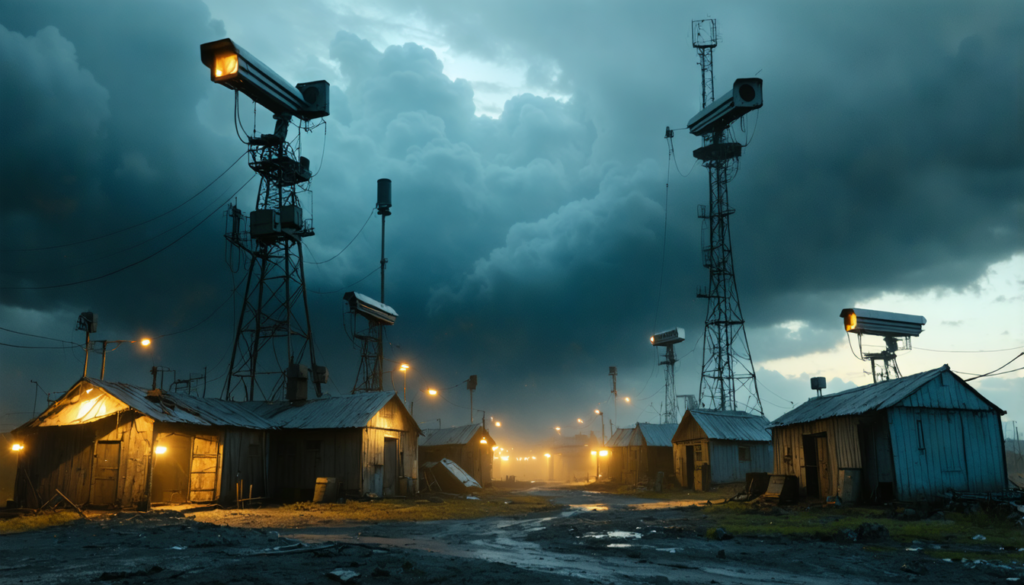
In this ultimate season, the figure of Homelander is no longer the threatening shadow we knew, but has become a true political regime. His authority is exercised without sharing, leading to the establishment of the Freedom Camps, internment camps disguised under a veneer of propaganda. This narrative choice depicts a universe where resistance seems powerless and society is muzzled by increased surveillance.
The images officially released by the teaser reflect a hardened, even suffocating world, which moves away from traditional conflicts to plunge into totalitarian control. The Freedom Camps, far from being just a setting, embody a tangible threat to our heroes, especially Hughie, Mother’s Milk, and Frenchie, imprisoned in these zones of deprivation of liberty. This pattern highlights a clear progression towards an environment where it is no longer about fighting corruption but surviving under an oppressive regime.
This drastic shift is unique in the world of comic book adaptations, since the series gradually abandons its nuances to adopt a resolutely dark and frontal tone. The absence of ambiguity in the situation creates a palpable tension. The protagonists face extreme choices and must constantly weigh the pros and cons to preserve not only their lives but their values.
Concretely, the staging of such totalitarian power over a superhero universe subverts the genre’s classic expectations. Instead of opposing heroes to villains in climactic battles, here, the sanction is social and political, taking the form of a modern dictatorship where the control of the population is organized methodically. This pushes the viewer to question the parallel with contemporary realities, in a clear reminder that extreme power is never without consequences.
Concrete examples of this regime in the series
- Hughie, Mother’s Milk, and Frenchie live their captivity under strict conditions, where surveillance is constant and escape possibilities are almost null.
- Butcher, meanwhile, uses a lethal virus to play the card of total extinction of superheroes, an idea that reveals the escalation of methods in this power struggle.
- The Freedom Camps visually depict the harshness of this universe, sadly recalling certain dark chapters of real history, which intensifies the feeling of unease.
This harsh and uncompromising context announces a series that spares nothing to maintain tension at the heart of its plot.
The Shocking Comic Twist That Upends the Final Season’s Plot
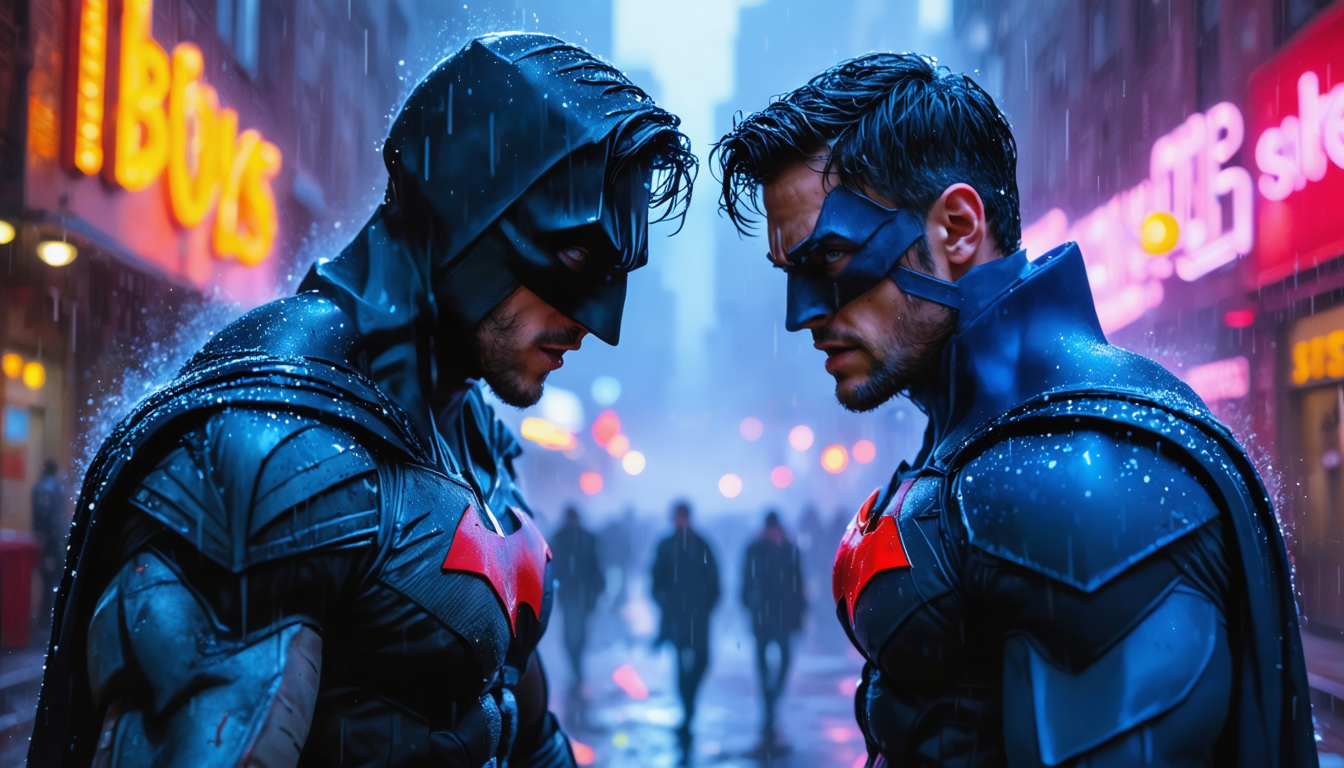
The shocking twist we should expect in this 5th season is inspired by a key moment from the original comics by Garth Ennis and Darick Robertson. Although the series retains the spirit and brutality of the comic, the exact finale will take a different path, thus offering a surprise even for the most seasoned fans.
This narrative liberty taken for the ending is essential to preserve suspense and avoid predictability. The adaptation remains faithful to its DNA by maintaining a dark and violent atmosphere, but enriches it with plot choices that flexibilize the outcome of confrontations.
Eric Kripke, showrunner, clearly stated during cultural events that this final season will be an apocalypse, marked by a large number of deaths and without any narrative safety net for the characters. These strong messages establish an atmosphere where each episode can tip the fate of characters we believed untouchable.
This choice fits a desire to intensify the dramatic impact by refusing too reassuring narrative comfort. This shocking twist is therefore both a respectful homage to the source material and a bold reinvention that keeps fans on the edge until the last minute.
The Pillars of This Twist in the Storytelling
- A profound transformation of power dynamics, where even heroes are no longer protected.
- A rise in the intensity of moral and physical violence, surprising in its severity.
- The introduction of elements from the Gen V spin-off, which adds an immersive dimension to the universe and chronologically links the plots.
- An ending that is announced as less linear and more impactful, breaking with classic adaptation patterns.
This bold narrative turn promises to set a new standard for comic adaptations, combining respect for the past with narrative audacity.
A Strengthened Cast for an Intense and Memorable Final Season
The massive return of iconic figures gives this final season its emotional power and impact. Karl Urban (Billy Butcher), Jack Quaid (Hughie), and Antony Starr (Homelander) once again carry the series with their intense performances.
The confirmed arrival of Jensen Ackles as Soldier Boy, and Giancarlo Esposito portraying Stan Edgar, brings an additional dimension by reinforcing the tie-in with the overall story, notably the Gen V spin-off. These reunions excite fans all the more as faces like Jared Padalecki and Daveed Diggs join, enriching the cast.
This solid presence confirms that production aims to close the loop with a full team, ready to deliver scenes as impactful as they are brutal, in one last creative surge.
Continuity in the casting creates a strong link with previous seasons, positioning this finale as a pinnacle of narrative mastery and actor commitment. Each character benefits from a carefully crafted conclusion, sometimes heroic, often ambiguous, and always full of suspense.
Highlights of the Cast and Implications
| Actor | Character | Role in Season 5 |
|---|---|---|
| Karl Urban | Billy Butcher | Leader of the Boys, wielding the threat of a lethal virus against superheroes. |
| Antony Starr | Homelander | Dictator imposing dominance through the Freedom Camps. |
| Jensen Ackles | Soldier Boy | Notable return, heightening tension and political stakes. |
| Giancarlo Esposito | Stan Edgar | Managerial figure reinforcing the gravity of decisions. |
| Jared Padalecki | Surprise character | Unexpected entrance adding an extra layer of suspense. |
This expanded cast guarantees that every scene will count, every confrontation will have dramatic weight, and the suspense will remain at its peak until the final episode.
Launch and Official Broadcast Schedule: An Unmissable Appointment on Prime Video
The date April 8, 2026 is set in stone: it is this day that Prime Video will offer the season 5 double premiere episode, followed by weekly broadcasts until May 20. This rollout mode fosters ongoing conversation between fans and critics, fueling suspense week after week.
The format, chosen to create a launch ramp effect then a slow dramatic buildup, stretches the suspense while preserving key moments. With famous episode titles such as “Fifteen Inches of Sheer Dynamite” for the opening, the series plays the card of immediate impact.
The precise schedule for episodes 5 to 8 (April 29, May 6, May 13, and May 20) gives a clear idea of a nearing finale, which unfolds as a concentrated narrative explosion that will leave a lasting mark on the history of genre television.
This schedule also implies an intense viewer commitment, with prolonged discussions and analyses, hallmarks of successful major series. One can easily imagine online communities debating radical choices and plot twists every week.
Advantages of the Chosen Broadcast Schedule
- Perpetuation of suspense and discussions between episodes.
- Creation of a weekly ritual around the series, strengthening audience loyalty.
- Possibility for creators to adjust communication based on feedback.
The temporal distribution of this broadcast is therefore a major piece of the puzzle, well thought out to maintain narrative tension.