
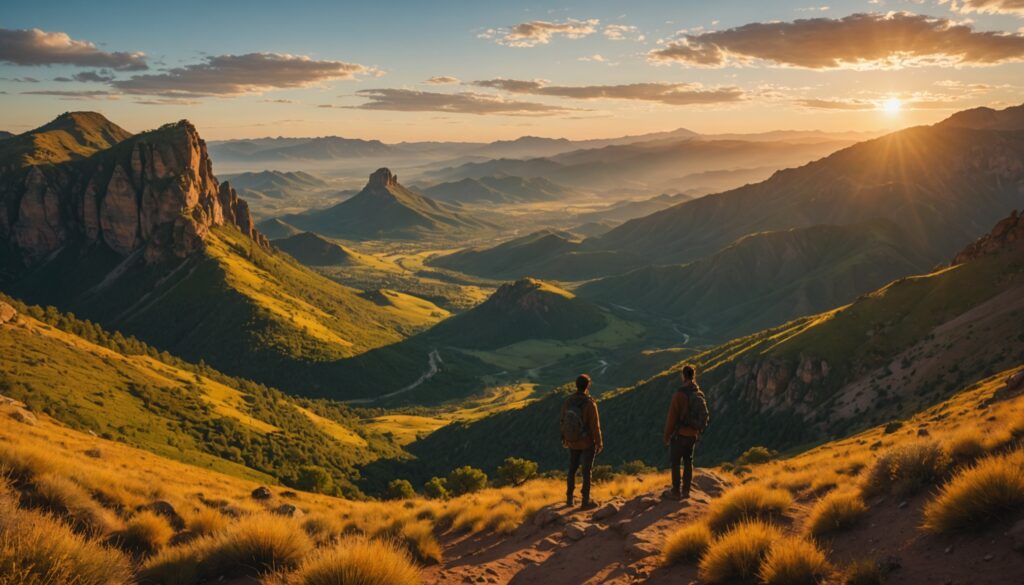
Diving into the world of Hytale is to venture through a rich and dynamic open world called Orbis, divided into distinct zones that determine the climate, biomes, fauna, and resources to be exploited. Here are the key elements we discover together in this exploration:
- A clear zonal structure with four large land zones and one ocean zone, each with its own characteristics and challenges.
- Varied biomes that offer an immersive video game experience, including plains, deserts, icy mountains, fiery lands, and aquatic realms.
- A progression system that requires adapting equipment and strategies based on the encountered environments.
- An interactive ecosystem where mapping and knowledge of territories are major assets for survival and prosperity.
These points form the foundation of our detailed discovery of Hytale’s biomes and territories, an adventure where each zone invites you to discover valuable resources, hostile or familiar creatures, and landscapes as sublime as they are perilous.
- 1 Exploring the Emerald Orchard: the natural starting point for Hytale exploration
- 2 The suffocating and fascinating world of the Howling Desert: a second step to refine your equipment and tactics
- 3 The stern and austere beauty of the Whispering Borders: challenges of extreme cold and terrain
- 4 The Devastated Lands: a journey into the depths in search of adamantite and extreme challenges
- 5 The unpredictable extension of the Ocean Zone: an underwater world not to be overlooked in Hytale
Exploring the Emerald Orchard: the natural starting point for Hytale exploration
The Emerald Orchard stands out as the essential first step in the world of Hytale. Centrally located on the Orbis map, this zone offers a balanced environment, facilitating mastery and gradual discovery of the game’s richness. It is an accessible area, ideal for establishing a first base, thanks to its varied biomes and abundant resources.
The biomes of the Emerald Orchard are particularly diverse. You will encounter vast treeless plains alternating with mixed forests and autumn forests, as well as marble plateaus and steep mountains. A mysterious swamp and a unique region named Azur, where the trees bear blue foliage, enrich the natural palette. Each of these biomes brings specific aesthetic and environmental nuances, enhancing immersion and the variety of possible explorations.
The fauna reflects this diversity. You will find a sample of familiar and useful animals: pigs, chickens, sheep, boars, foxes, turkeys, rabbits, cows, and horses. Each plays a role in survival and crafting, creating an interesting dynamic between hunting, farming, and renewable resources. As for mining resources, the zone offers common and accessible ores, an advantage for beginners who want to experiment with the extraction system without exposing themselves to high dangers.
Establishing your first base in this area allows you to familiarize yourself with the fundamental mechanics of the game while benefiting from easy access to primary resources. This essential step prepares the ground for more perilous adventures and the gradual learning of challenges related to neighboring zones.
The treasures and wooded species of the Emerald Orchard in detail
A careful exploration of the available wood species reveals a variety of materials suited for crafting and building:
- Oak: Classic, sturdy, ideal for initial constructions and tools.
- Beech: A wood easy to work with, often used for decorative objects.
- Birch: Provides a lighter hue, known for moderate resistance.
- Maple: Known for its beauty, prized in weapon and armor making.
- Ash: Flexible and light, perfect for mobile equipment.
- Azur: Exclusive to the region, this blue wood is sought after for special creations.
- Tremble: The most common, excellent for temporary structures and accessories.
The possibilities offered by this selection allow testing different combinations, both aesthetic and functional, thus contributing to the richness of the open world and its adventures. Here we find the very essence of gameplay where environmental diversity directly influences resource choices.
The suffocating and fascinating world of the Howling Desert: a second step to refine your equipment and tactics
After exploring the Emerald Orchard, the Howling Desert imposes itself as a radical change of atmosphere, marked by an arid climate and landscapes dominated by sand and rock. This zone, located to the south, tests our sense of adventure with its biotic, mineral specificities, and above all, its more aggressive wildlife.
The Howling Desert offers biomes that can be described as organized around natural hostility: immense sand seas, rolling dunes, mesa canyons, and wooded savannas. Oases, true havens of life, punctuate an otherwise difficult journey. An unusual curiosity lies in insect nests forming craters, a detail that adds an extra layer of authenticity to the terrain, showing that this territory lives independently of players.
The wood species correspond to environmental harshness:
- Palm, symbolizing rarity and resistance to dry climates.
- Gumboab, with a fibrous texture adapted to specific uses.
- Dry, Bottletree, and Palo, which provide unique characteristics for construction and crafting.
This zone also stands out for its unique fauna, adapted to heat and harsh conditions: camels for transport, armadillos and lizards for hunting or just natural spectacle, meerkats and antelopes forming fast herds with complex behavior. The threats are very real with venomous snakes, scorpions, harmful flying insects, but also predators like hyenas and the fearsome saber-toothed tigers. This last information highlights the necessity of suitable equipment and strategy: advancing without caution in these lands can be fatal.
Finally, the mining resources add important value to exploration:
| Ore | Availability | Main Use |
|---|---|---|
| Iron | Common on the surface | Making first-level tools and weapons |
| Thorium | Abundant underground and in deep caves | Advanced material for durable equipment |
Acquiring thorium in the depths becomes a strategic goal to progress in this hostile biome, advancing methodically towards more dangerous parts of the game. These territories encourage thinking about mapping and resources to gather in order to extend your adventures.
The stern and austere beauty of the Whispering Borders: challenges of extreme cold and terrain
Traveling north, the third zone known as the Whispering Borders completely transforms the setting with a polar and mountainous climate. This vast region gathers a range of environments typical of cold and mountainous areas, offering a technically demanding playground and a striking atmosphere.
The encountered biomes combine humid taiga, bare tundra, deep snowy forests, endless ice fields, and steep high mountains. The often uncertain paths require cautious navigation through frozen caves and icy seas dotted with floes and floating icebergs. The player must continuously adapt to these constraints.
The types of wood found here reinforce this northern atmosphere:
- Sequoia, offering robust and thick wood, perfectly suited for intense cold.
- Fir, classic of the taiga, ideal for durable structures.
- Cedar, combining lightness and resistance, valuable for advanced crafting.
The fauna reflects this climate: powerful bisons, majestic elks, rugged goats, imposing polar bears, and clumsy penguins form a dynamic biodiversity. The hostile environment is also represented by enemy fauna: aggressive bears, formidable yetis in the mountains, and outlaw gangs occupying isolated camps. This complicates expeditions, where caution is as essential as equipment.
This zone also marks an important stage in the evolution of mining resources. Prospectors will find gold, silver, and especially blue cobalt, the latter becoming crucial for crafting high-quality weapons and armor:
| Ore | Main Location | Role in the Game |
|---|---|---|
| Gold | Mountainous zones | Luxury and advanced crafting |
| Silver | Underground | Precious items and upgrades |
| Blue Cobalt | Mountains and caves | High-level material |
Each resource corresponds to a step towards indispensable equipment, enriching the exploration system and the richness of the open world. This logic is at the heart of Hytale’s game design in 2026, which also integrates dungeons and strategic points of interest to pace discoveries.
The Devastated Lands: a journey into the depths in search of adamantite and extreme challenges
The Devastated Lands constitute Hytale’s most difficult and intriguing zone. Accessible only through underground passages, this region combines extreme landscapes oscillating between desolation and hidden life. Here, nature reveals a powerful duality: fields of ashes and smoking volcanoes stand alongside subterranean tropical jungles and astonishing forests nestled within caves.
This biome is characterized by wood species as varied as they are symbolic:
- Burned, Charred Ash, and Fire, reflecting blazing and destruction.
- Petrified and Poison, rare woods adapted to toxic and hostile environments.
- Bamboo, Tropical, and Sallow, from underground vegetation zones, bringing a strangely peaceful touch of life amid chaos.
The fauna is equally surprising, floating between the familiar and the fantastic: undead pigs and cows, magma slugs emitting a menacing glow, and even a population of dinosaurs in the subterranean jungles. As for enemies, they reinforce the dangerous aspect with powerful skeletons, ferocious wolves, skeletal horses, and deep toads, giving rise to an exceptionally rich bestiary.
The most significant resource is undoubtedly adamantite. Often described as more effective than cobalt and thorium, it encourages players to venture into these inhospitable territories to gain a decisive technological advantage. The rarity of these ores intensifies the stakes, making every expedition into these underground regions heavy with promise and risk.
Exploring these biomes requires increased preparation, both for combat and environment management. The rugged terrain and constant dangers promote team formation and the intelligent use of equipment to progress successfully.
This territory clearly invites going beyond a simple classic exploration trip: it offers a bold challenge in mastering Hytale completely.
The unpredictable extension of the Ocean Zone: an underwater world not to be overlooked in Hytale
Alongside the land zones, the Ocean Zone enriches the Hytale map by adding a layer of vertical exploration, inserting depth and mystery between the shores of the land territories. The ocean forms a distinct ecosystem, composed of several marine biomes that influence the player’s experience.
Several notable environments stand out in this zone:
- Deep Ocean: vast dark expanses where little light penetrates, enhancing the feeling of adventure and danger.
- Oceanic Plateau: higher underwater zones, rich in mining resources and diverse fauna.
- Coral Reefs: true underwater jewels, attracting a multitude of species and sometimes hiding dungeons.
Coastal transitions vary according to adjacent land regions – sandy beaches meet the Howling Desert, and rocky mountainous coasts near the Whispering Borders, reflecting a coherent and connected world. The intersection with rivers underscores this idea of a living and interconnected environment.
The ocean is not merely decorative. Underwater dungeons add an extra challenge, providing a vertical exploration mechanic and a unique difficulty level, which some players choose as their main objective.
The Ocean Zone thus acts as a natural relay in progression, offering both a complementary level of map reading and a new dynamic for players wishing to vary their adventures.
Hytale offers a rich world which, through its zonal structure, demands that explorers continuously adapt their video game approach, whether through mapping, resource management, or confronting numerous enemies. To learn more about survival games offering unique experiences, we invite you to consult specialized resources such as survival video games and, to diversify your experiences, why not discover titles like Crosswind MMO pirate survival.