Twenty-eight years after its birth, the 28 Days Later saga makes its long-awaited return with a new installment, The Temple of the Dead, set to hit screens on January 14, 2026. This horror film promises to awaken the emotions of many genre enthusiasts while delivering a rich tapestry full of tension and profound questions. The wait has been long, marked by hopes and speculations, but the moment has finally come for this new chapter to make its mark on French and international cinema. Here is what this major cinematic event offers, through four key points:
- A return to roots marked by the artistic legacy of Danny Boyle and Alex Garland;
- An intense and unique story focused on human survival and its limits;
- A fascinating opposition between tradition and modernity in visual and narrative treatment;
- A strong anticipation carried by a cast mixing former heroes and new cinema figures.
Let us explore together the reasons why this upcoming film appears as a must-see for all those seeking thrills and reflections in the horror genre.
- 1 A strong cinematic heritage: how “The Temple of the Dead” renews the franchise 28 years later
- 2 The Temple of the Dead: immersion in a unique post-apocalyptic universe
- 3 A cast combining established talents and new revelations
- 4 Directing techniques and visual innovations in the latest installment of the 28 Years Later franchise
- 5 Expectation and anticipation: why The Temple of the Dead excites horror genre fans
A strong cinematic heritage: how “The Temple of the Dead” renews the franchise 28 years later
The long-awaited reboot of the franchise signed by Danny Boyle returns to the very essence of the success of 28 Days Later. The first film, which revolutionized the treatment of horror films in the 2000s, is now celebrated as a classic that influenced many works through its realistic and tense approach to post-apocalyptic survival. The Temple of the Dead fits within this tradition while offering a decidedly modern perspective.
The strength of this new installment lies notably in the renewed collaboration between Danny Boyle as director and Alex Garland as screenwriter. They worked to capture not only the intensity of the first film but also to expand the universe with new philosophical dimensions. Rather than sticking to a simple zombie plot, the story tackles a fundamental questioning of collective memory, the fear of recurrence, and the possible drifts of humanity lost in its own survival mechanisms.
This is therefore not just about scaring: we will observe a deeper reflection on what makes us human, plunged into a context where society has collapsed but the search for meaning remains. Cillian Murphy, whose return is confirmed, will be the link with the continuity of the saga, portraying a character carried by the duality between hope and loss.
This film thus opens up a dual path: restoring the chills of horror films from the past while fueling a moral debate and a social analysis that the genre has barely explored in the past. This is an artistic and commercial bet, recognizing the intelligence of the audience and its desire for stimulating films.
The Temple of the Dead: immersion in a unique post-apocalyptic universe
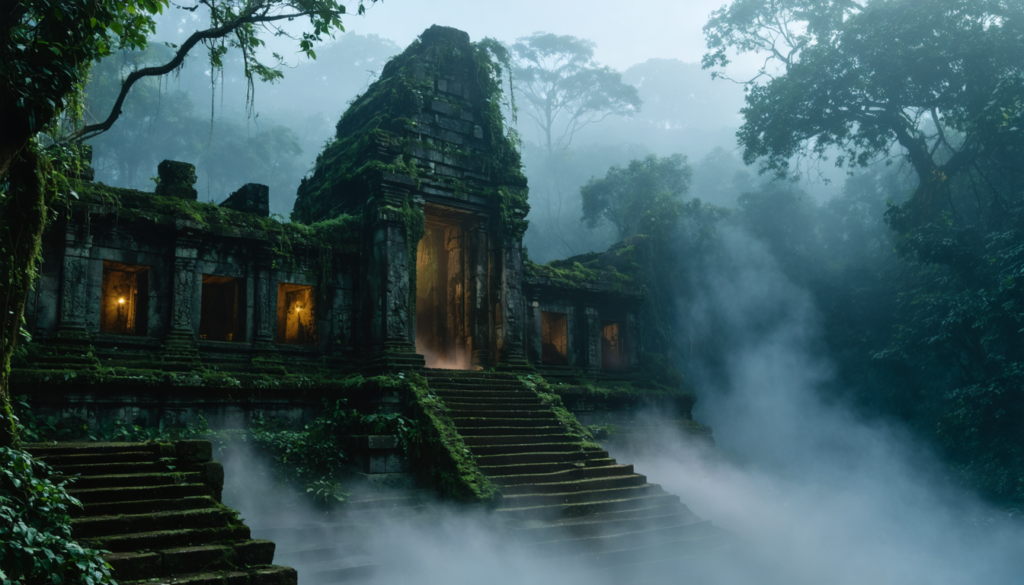
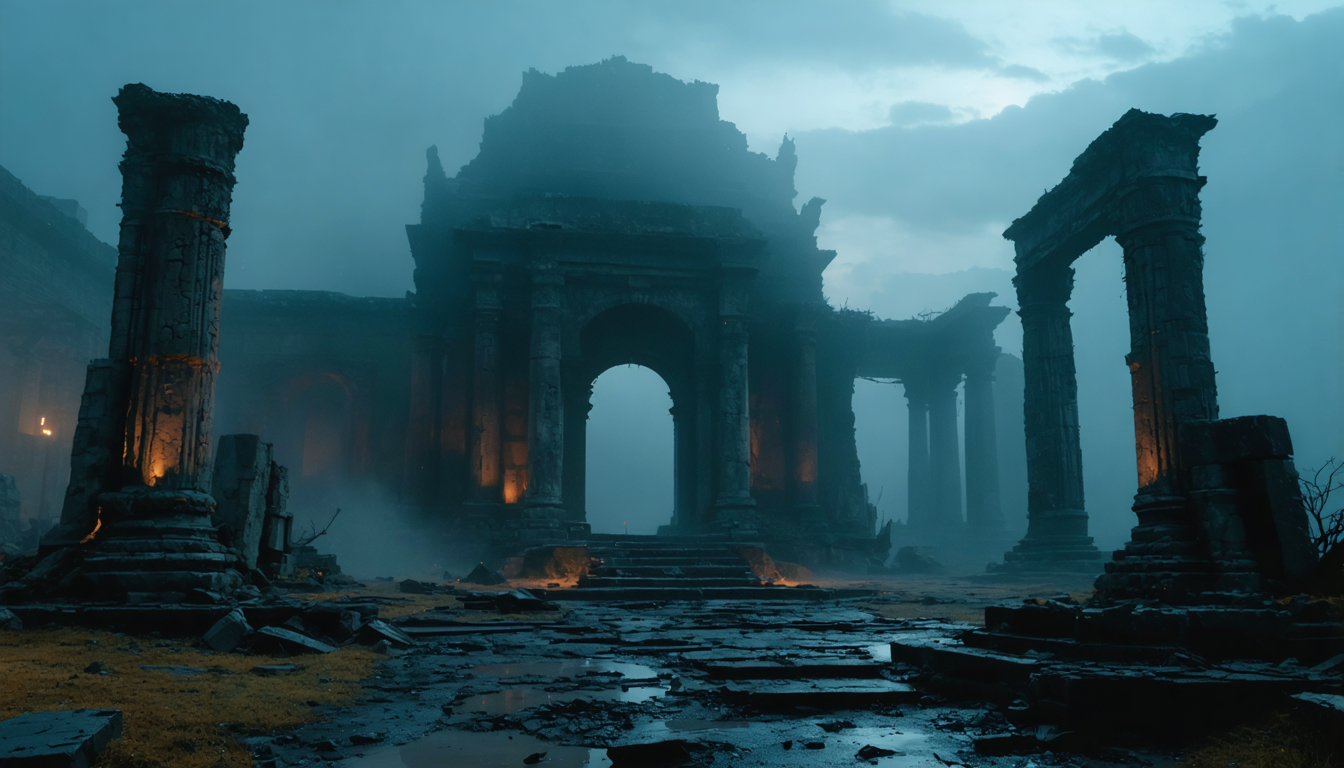
The very name of this film raises curiosity fueled by the mysterious atmosphere it promises to unfold. The “Temple of the Dead” is not simply a place, but a symbol, a metaphor for this fragmented society where survival rhymes with obsession and where moral limits gradually vanish. The filming team chose locations between Scotland, Wales, and London, territories offering a visual palette between deserted streets, gothic ruins, and rainy atmospheres.
This geography of chaos reinforces the feeling of oppression and isolation. Survivors would have taken refuge in this temple, building a form of community where trust is rare and fear constant. The internal rules of this group would be as terrifying as the infected creatures frequently found in this kind of story.
The stakes posed by this setting are twofold:
- Exploration of collective psychology in extreme situations – how far does fear justify extreme acts?
- Deconstruction of notions of faith, memory, and control in an environment where everything is collapsing.
This positioning makes The Temple of the Dead a film not only absorbing through its horror scenes but rich in profound meaning. The moral dilemmas of the characters bring a fresh breath, integrating human tensions far more complex than in traditional zombie films.
It is this mix of visceral horror, symbolism, and philosophy that should allow the film to attract a wide audience, from thrill seekers to film lovers looking for narrative depth.
A cast combining established talents and new revelations
The choice of actors confirms a clear desire to combine dramatic intensity and emotional authenticity. The return of Cillian Murphy, known for his memorable role in the first installment, forms a solid bridge between the past and this new independent story. His performance, eagerly awaited, promises to meet expectations, also leveraging his recent aura after critical and public successes with projects like “Oppenheimer”.
Alongside Murphy, the presence of Jodie Comer and Aaron Taylor-Johnson brings fresh breath and new dynamics. These actors, known for complex roles in acclaimed series and films, help deepen a plot where every choice, every emotion, weighs heavily. The studio has kept the details about their characters secret, maintaining a suspense perfectly suited to the horror genre.
A table summarizing the main cast members and their notable references illustrates this richness:
| Actor | Expected Role | Major References |
|---|---|---|
| Cillian Murphy | Key character from past and present | 28 Days Later, Oppenheimer |
| Jodie Comer | Mysterious survivor | Killing Eve, recent dramatic films |
| Aaron Taylor-Johnson | Charismatic and conflicted figure | Kick-Ass, Marvel Cinematic Universe |
The diversity and quality of this cast enhance the excitement around the film release, promising convincing acting for a script that is both emotional and terrifying.
Directing techniques and visual innovations in the latest installment of the 28 Years Later franchise
Danny Boyle remains faithful to his artistic vision for The Temple of the Dead. A significant part of the shooting took place on film, a strong choice aimed at restoring the raw and almost documentary texture that was the essence of the first film. We thus find a realistic, immersive, and oppressive visual style, contrasting with the highly worked sequences now benefiting from new technologies.
The pandemic and recent social context have given the genre new depth. Boyle and his team exploited modern capabilities to accentuate attack or exodus scenes, where the Rage virus reveals ever more terrifying and unpredictable mutations. This subtle marriage between tradition and innovation fuels a unique cinematic experience in 2026.
Natural settings combined with rainy atmospheres and gothic ruins plunge viewers into an almost mystical atmosphere where violence suddenly bursts from the silence. The director skillfully plays on this contrast, reinforcing the particularity of the “temple” as a sacred but cursed place.
With over 2 million mentions recorded on X within hours under the hashtag #28YearsLater, the media pressure around the film is immense. This anticipation translates into a strong demand from the public, eager for horror cinema capable of reconnecting with its intense roots and its critical view of contemporary society.
Expectation and anticipation: why The Temple of the Dead excites horror genre fans
The 28 Days Later saga created a true cultural phenomenon and still deeply influences entire universes, from The Walking Dead to other major productions in the horror genre. The wait around the latest film reflects an impressive enthusiasm built over nearly three decades. This excitement is fueled by:
- The palpable nostalgia for the first films, which managed to touch viewers with their realistic and brutal approach;
- The promise of an innovative script mixing horror and societal reflection;
- The prestigious cast combining the return of emblematic figures and new rising stars;
- Direction and visual style between authenticity and modernity, promising intense immersion.
Thus, this cinematic release promises to be an unmissable event, ready to offer both immediate thrills and material for long-term debate. The audience that has followed this path since 2002 is now ready to welcome this new chapter with a mix of impatience and confidence in the creators’ ability to surprise and deeply move.
This opportunity is all the more singular in 2026 as French and international cinema is looking for works able to reconnect with raw emotion while injecting new breath into a sometimes overly formulaic genre. The Temple of the Dead could well embody this turning point, raising the bar for future films in the sector.