
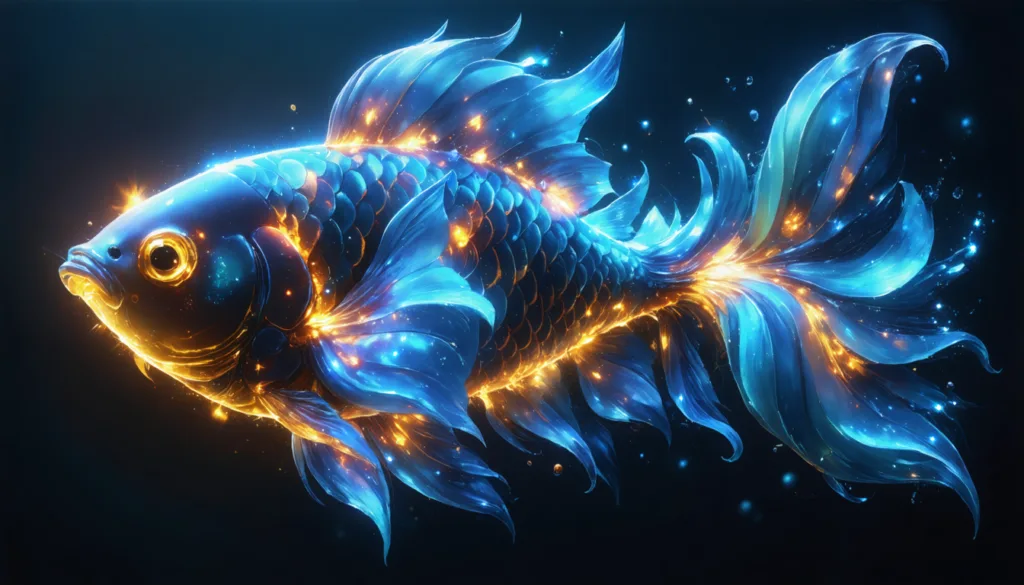
The mega-evolution imagined by fans for Luvdisc is making waves in the Pokémon community, rekindling interest in this long-dormant mechanic. This minimalist-designed Pokémon, symbolized by a heart, inspires overflowing creativity that has given rise to several captivating artistic concepts. This phenomenon testifies to the power of video games as a platform for collective expression and the deep attachment of fans to their favorite universe. Here’s what we invite you to explore:
- The reasons behind the buzz around Luvdisc’s mega-evolution, coming from the community.
- The most remarkable concepts and their visual and narrative impact.
- Luvdisc’s special place in the Pokémon universe and the design stakes.
- The dynamic between fans and creation, and how it influences Pokémon video games.
- A status report on mega-evolutions imagined by players and what it heralds for the future.
We will dive together into this fascinating adventure where imagination and creativity mingle to reinvent a Pokémon symbol, between simplicity and power.
Why Luvdisc’s mega-evolution captivates the imagination of Pokémon fans
Here, the imaginary mega-evolution of Luvdisc performs a double movement: it revives attention on a creature often perceived as secondary, and it offers fertile ground for the imagination of community artists. This Pokémon with a clean design, embodied by a simple but immediately recognizable heart shape, poses a stimulating challenge: how to preserve this icon of affection while bringing it to a level of power and visual sophistication expected from a mega-evolution?
This question pushes fans to experiment. Soon, two distinct proposals stand out:
- A creation relayed by a well-known specialized media outlet, highlighting a Luvdisc that is both more robust and respectful of its original appearance.
- An artistic concept published on DeviantArt, signed by YingYangHeart, that merges tenderness and dark aspects for a more mysterious mega Luvdisc.
This duality highlights a key point: mega-evolution must not be just a cosmetic change. It must tell a story, add complexity to the Pokémon, and satisfy the expectations of a community used to seeing their favorites shine through striking transformations.
On a technical and aesthetic level, mega-evolution allows the addition of elements such as extra patterns, luminous effects, or a more confident posture, which completely transforms the perception of an originally simple Pokémon. This balancing act also demonstrates why Luvdisc is a popular subject for personal creations: the Pokémon has this clear base, this iconic silhouette that can support an upgrade without losing its identity.
In 2026, this kind of concept represents a true bridge between free artistic creation and focused discussions about the future of iconic mechanics in the series. Among Pokémon with minimalist designs, Luvdisc is undoubtedly the one that sparks the most ambitious projects, notably due to its affective and universally recognized symbol.
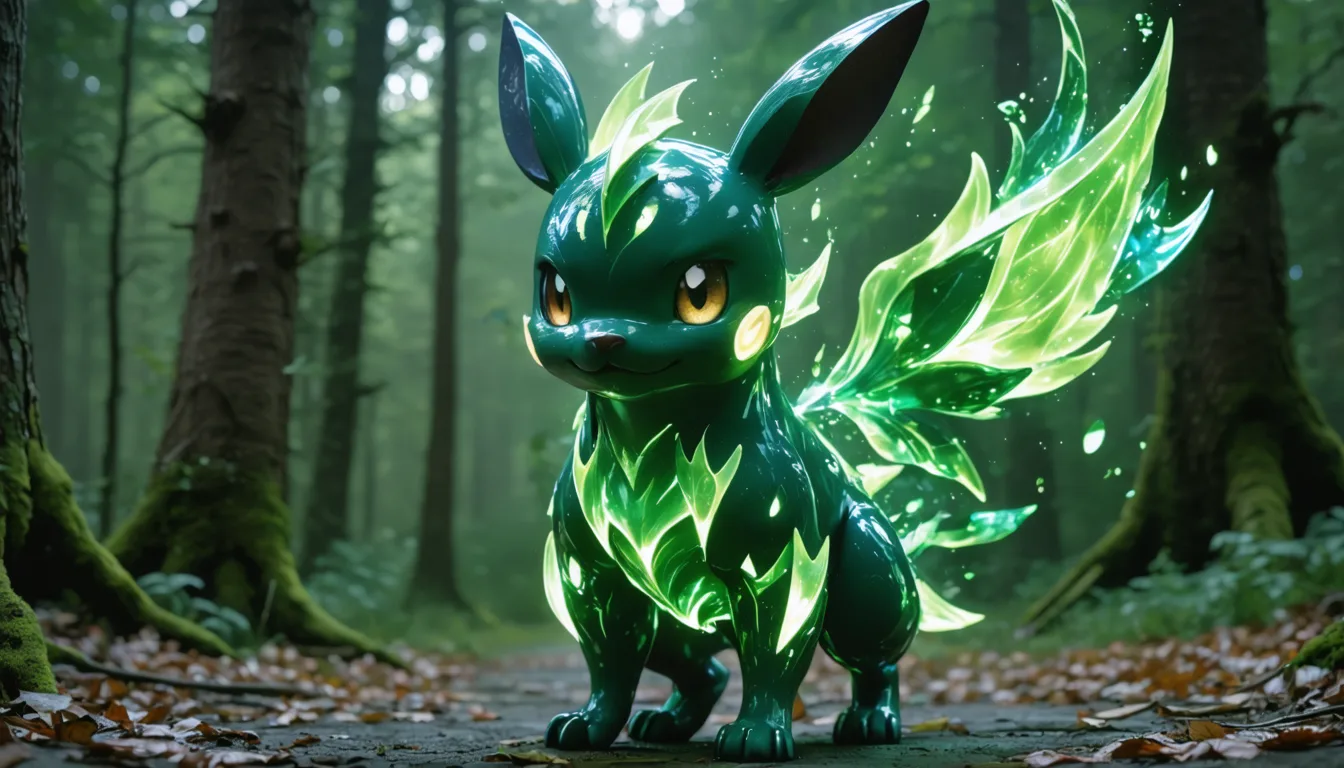
Example of concepts: between stylistic innovation and respect for the original
One of the most fascinating aspects is how artists juggle innovation and faithfulness. The concept relayed via a gaming site proposes a mega-evolution that maintains the heart shape while restructuring it to impose a muscular silhouette, evoking a more intense aura and new strength. The design also uses more contrasting colors, sparkling effects, and patterns evoking energetic waves.
By contrast, YingYangHeart’s design focuses on a more mysterious Luvdisc with a spectral aura, combining the Water type with Dark notes, a bold and rare orientation for this generally gentle Pokémon. This creation enriches Luvdisc’s imaginary story, offering a narrative dimension that resonates in the community.
These examples reflect an underlying phenomenon: mega-evolution, although a mechanic temporarily abandoned in the franchise, remains a strong focus of attention and a vector of dreams for the community. Specialized sites like Gamers Land regularly analyze these creations, comparing them with current expectations of the fanbase. Their media coverage plays a key role in the diffusion and credibility of the concepts.
How fan-made mega-evolution reveals the dynamics of the Pokémon community
Through Luvdisc’s mega-evolution, we understand that the Pokémon community is not a mere consumer but a major player. For more than one reason:
- It actively participates in the renewal of symbols: by giving a second life to less popular Pokémon, it enriches the overall lore.
- It shapes video game expectations: convincing concepts create a dialogue with developers and potentially influence future versions.
- It expresses a loyal and passionate love: artistic creations sometimes transcend the original purpose of a Pokémon, adding affection and depth.
The mega-evolution mechanic, introduced in 2013 with Pokémon X and Y, was hugely successful but has been sidelined in recent years. Its announced return in Pokémon Legends: Arceus is celebrated with sustained anticipation. This anticipation fuels fan initiatives, who continuously produce concepts, illustrations, and stories to keep the spark of the phenomenon alive.
Fan-made mega-evolution thus acts as a form of creative engine. It stimulates exchanges on forums and social media where ideas are shared and collectively improved. This flurry enables proposals like Luvdisc’s to gain impressive visibility and a genuine seal of legitimacy. This dynamic is one of the keys to understanding the revival of this mechanic in modern Pokémon video games.
Luvdisc: a simple Pokémon turned fertile ground for fan creativity
Luvdisc, with its minimalist design, embodies a unique challenge. Its heart-shaped body is immediately identifiable but lacks detail compared to more complex Pokémon. This simplicity is both a strength and an obstacle. It limits graphic evolution possibilities in official games but becomes an overflowing invitation to reinterpretations.
The mega-evolution imagined by fans takes advantage of this dual nature:
- Symbol preservation: the mega-evolution keeps the heart silhouette, ensuring visual continuity.
- Addition of power elements: reinforcements on the fin, energetic patterns, and brighter hues assert a tangible power increase.
- Expression of a new aura: the creation can explore themes like darkness or a spectral form to add a new dimension.
This approach beautifies the overall perception of Luvdisc, often overlooked in battles. For many, this fan mega-evolution embodies a dream where a Pokémon considered fragile could rival the great names. It is an essential aspect for understanding why this type of concept makes so much noise.
Here is a summary table of the main traits distinguishing the original Luvdisc from its fan mega-evolutions:
| Aspect | Original Luvdisc | Fan Mega-Evolution |
|---|---|---|
| Silhouette | Simple, clean heart shape | More massive, with energetic details |
| Colors | Solid pastel pink | Bright contrasts, luminous highlights |
| Potential type | Water | Water / Dark (YingYangHeart proposal) |
| Impression | Discreet, sentimental | Imposing, mysterious |
These differences accentuate their narrative and aesthetic roles, showing how a dreamed mega-evolution can transform a simple Pokémon into a powerful and respected figure.
The lasting impact of fan creations on Pokémon video games and mega-evolution
The enthusiasm around fan mega-evolutions, illustrated by the case of Luvdisc, reflects a broader trend of interaction between developers and players. The design, mechanics, and Pokémon universe continue to evolve, driven by this collective creativity. This synergy impacts several levels:
- Official inspiration: Studios closely monitor popular concepts. Some elements have already found their place in updates or expansions.
- Community engagement: The more players feel heard, the longer the franchise’s longevity.
- Franchise strengthening: Openness to external creativity can enrich universes, offering richer and more varied experiences.
- Shared dream: Fan-made mega-evolutions offer infinite possibilities, creating an immersion marked by surprise and anticipation.
The future of mega-evolutions in Pokémon necessarily passes through this dialogue between communities and creators. These exchanges help build a dynamic universe where the boundaries between imagination and official status sometimes blur.
This phenomenon is reminiscent of the history of adaptations and fan art, where hundreds of new ideas constantly feed the video game universe. Incidentally, it is wise to consult resources like the lists of best Pokémon designs, which incorporate this overflowing community creativity in their assessment.