
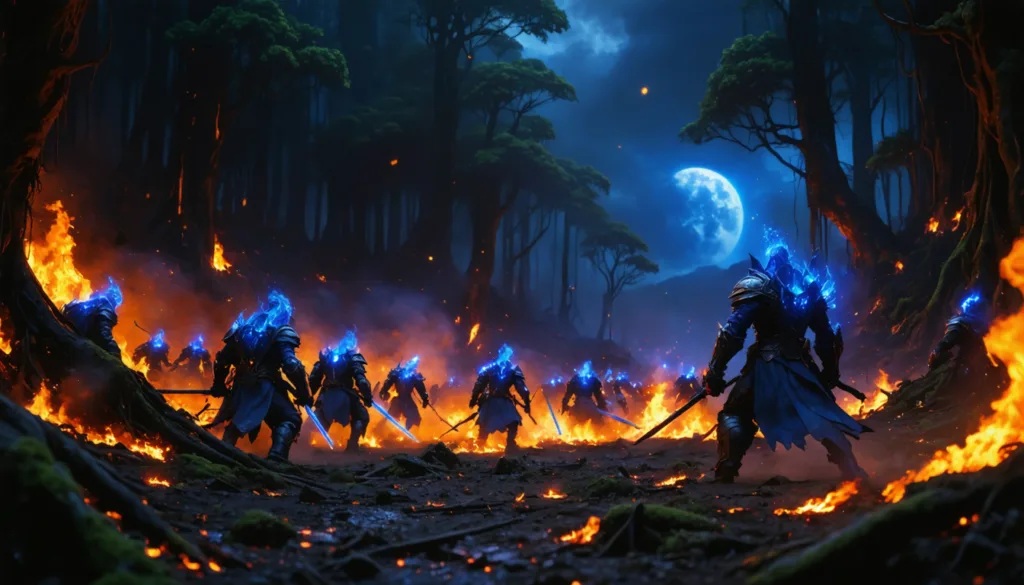
Avatar 3 clearly reveals its dark side with raging fires, hovering ashes, and the appearance of a tribe determined to ravage Pandora. This new installment stands out with a heavier atmosphere and more intense stakes that plunge the saga into a dramatic mood. Between heightened tribal tensions, fierce battles, and an unprecedented visual spectacle, we must prepare to explore:
- The timing and reasons for the delay of this highly anticipated release,
- The new stakes that make Pandora even more vulnerable to the growing threat,
- The rise in power of the Ash People tribe and their role in this violent dynamic,
- The technical innovations that promise an exceptional immersion,
- The narrative and ecological impacts that make this third installment unique in the saga.
Let’s discover together what this darker turn means for the heroes as well as for the wonderful world of Pandora.
The main reasons for the delay and what it implies for Avatar 3
The wait for Avatar 3 was long, some might even say raging like the flames the film promises. Initially announced in 2015, this third installment only saw the light of day in December 2025, after nine successive delays. This spectacular delay results from James Cameron’s deliberate desire to push narrative and technical boundaries. Indeed, the complexity of underwater scenes and the sophisticated management of visual effects required an exceptional development period.
The first edit almost reached nine hours, including the following three parts, which illustrates the excessive narrative ambition. For this single episode, the duration far exceeds the previous one’s 3h12, promising a spectacle as dense as it is intense. This extravagance is synonymous with narrative richness and offers viewers a prolonged immersion in a Pandora ravaged by fires and dominated by tribal conflicts at an unparalleled level.
For example, the narrative flow accentuates relationships between the Na’vi clans, notably with the rise of a new hostile tribe, the Ash People. They are characterized by strong symbolism around fire and ash, a powerful metaphor linked to burning ecological stakes.
Moreover, it is noticeable that the writing has integrated dramatic consequences of grief and revenge to reinforce the characters’ motivations. The return of emblematic figures like Quaritch heightens the already intense confrontation between humans and Na’vi. Each delay therefore allowed for a deeper development of this dark evolution, creating a palpable tension where family and tribal wounds mingle with the unleashed natural disasters on Pandora.
The long filming process also translates into a strengthened cast, where historic actors Sam Worthington and Zoe Saldana return to battle with their characters, supported by new figures like the warrior Varang, played by Oona Chaplin. This human-level richness enhances the feeling of danger and urgency surrounding Avatar 3 in its deeper and more conflicted dimension.
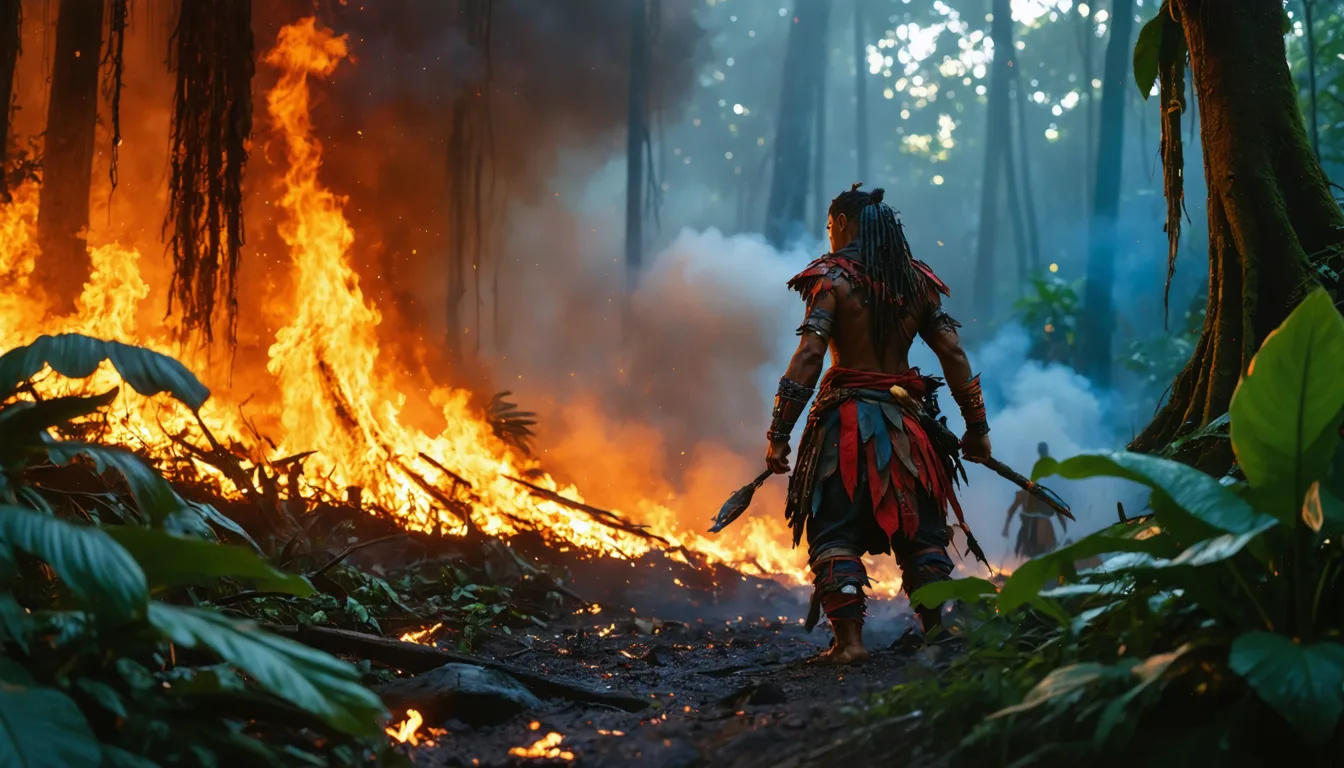
The Ash People tribe: a raging force to ravage Pandora
This installment gives a major role to the Ash People tribe, which embodies both the dark side and brutal determination. Originating from a volcanic region severely affected by natural disasters, their way of life is deeply shaped by the violence of fires and the ashes covering their environment. This direct relationship to fire forges their warrior identity and their worldview.
Their leader, Varang, stands out not only by his charisma but also by a military strategy that could jeopardize the fragile coexistence between Na’vi and humans. The tribe uses fire as a weapon, introducing a new dimension with raging fires that ravage Pandora’s lush forests. This incendiary tactic causes acute ecological distress and opens an unprecedented crisis.
Considering this confrontation, one can compare the Ash People’s threat to a destructive natural weapon. This impact is particularly dramatic, as it takes place in a context where landscapes, though rich and diverse, are threatened with extinction. There is an intensification of power struggles and an increased fragmentation of Na’vi clans, which further complicates the plot.
To fully grasp what this tribe represents, one must consider:
- Their mastery of fire as a central element of combat and ritual, symbolizing purification and destruction,
- Their determination to regain control of territories, even if it means ravaging everything,
- The weight of their culture and beliefs rooted in suffering and survival,
- Their direct and violent opposition to other Na’vi tribes and humans,
- The breakdown of alliances within Pandora, exacerbating the merciless tribal war.
Through this new force, James Cameron explores nuances within the Avatar universe by diving into darker and more conflicted zones. This approach renews the story and invites reflection on the consequences of environmental and human destruction.
An unprecedented visual spectacle: technical innovations and breathtaking fire effects
The third episode once again pushes technical boundaries with cutting-edge processes. Underwater capture, already daring in The Way of Water, reaches an extreme sophistication here. These technologies allow capturing with unmatched precision the Na’vi’s movements and expression nuances even beneath the surface, enhancing the viewer’s total immersion.
The use of Dolby Vision amplifies the color palette to convey both Pandora’s fairy-tale beauty and the chaos of raging fires. The textures of floating ash have been crafted to create a heavy atmosphere, where every scene betrays the fragility of this ecosystem, threatened by fires of rare violence. This contrast between luxuriance and devastation fascinates and moves.
The soundtrack is no exception, with meticulous work on the sounds of fire, the cries of the Na’vi, and the heavy silence just before or after disasters, which heighten the dramatic tension. The experience offered is a true sensory journey marking a new era for major Hollywood productions.
We also recommend, within the world of visual innovations, discovering content like creative games on Roblox where graphic advances are multiplying, a prelude to a future where technology amplifies immersion.
Here is a table of the main technical innovations implemented in Avatar 3:
| Technique | Use in Avatar 3 | Visual impact |
|---|---|---|
| Underwater motion capture | Smooth animation of characters in aquatic environments | Detailed facial expressions, unprecedented realism |
| Dolby Vision | Rendering of colors and extreme contrasts | Immersive ambiance with light and darkness plays |
| Floating ash effects | Creation of heavy and apocalyptic atmosphere | Strengthens the symbolism of fire and destruction |
| Spatialized sound | Complete immersion through 3D sound | Increased sensory engagement |
An evolution of storytelling through a darker and ecological script
In Avatar 3, the story continues the crescendo tensions between humans and Na’vi but with a graver tone. The dark side notably appears through multiple scenes where fires ravage Pandora, a metaphor for irreversible ecological destruction.
The Sully family is at the heart of this epic. Their forced flight and quest for refuge among other tribes strengthen the tribal and cultural aspect, while illustrating the difficulty of a world tearing apart before our eyes. The mourning of Neteyam, evoked in poignant dialogues, brings an intense emotional layer that focuses attention on human relationships and moral dilemmas.
James Cameron also exploits the rivalry with the Ash People tribe to expose internal fragmentation among Na’vi, often eclipsed in previous installments. Varang’s resistance and his clan suggest a dynamic where the fight for survival becomes a merciless battle, adding an extra nuance to the human antagonists.
At the same time, this ecological dimension amplifies Avatar’s iconic message about harmony between nature and civilization. The destructive fire symbolizes the fight against the loss of this balance, while the suspended ashes evoke the persistent threat of a ravaged world. The film calls for reflection on the urgency to act, not only locally but on a universal scale.
This dramatic intensification is an invitation to experience an emotional and intellectual spectacle, where action rhymes with meaning and depth, very different from simple spectacular animation. These themes resonate particularly today, in a context where energy and environmental issues are at the forefront.
Why Avatar 3 establishes itself as a must-see in 2025 and beyond
Beyond the visual spectacle, Avatar 3 marks a new milestone in the saga by becoming a true cultural phenomenon. Since its launch in 2009, Pandora has never ceased to fascinate. But “Fire and Ash” adds an additional layer of urgency, through:
- A story where raging fires and hovering ashes crystallize the tension,
- An Ash People tribe embodying a previously unseen danger and a fierce determination to ravage ancestral lands,
- A powerful and alarming ecological message, anchored in an immersive plot,
- Cutting-edge technology transforming the release into a major cinematic event,
- An expanded cast and characters developed with new depth.
For those who wish to enrich their passion with cultural parallels, we suggest taking a look at this article on the most anticipated awards of 2025. They illustrate how this video game universe also opens up to creativity and innovations.
The Avatar 3 experience thus goes beyond simple entertainment to become a symbolic fight, where the struggle takes place both personally and in environment protection. This film promises to be a reference point for both seasoned fans and newcomers.