
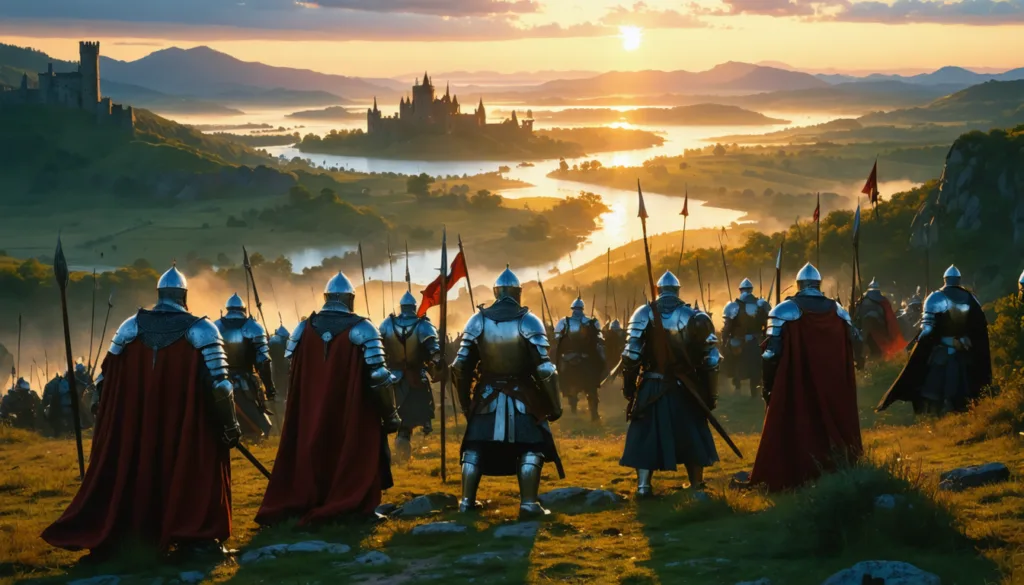
Heroes of Might and Magic: Olden Era is set to resurrect a legend of turn-based strategy video games in 2025, after a long wait from enthusiasts. This new iteration promises a balance between faithful homage to the classics and the integration of welcome innovations for today’s players. The game development led by Unfrozen Studio, with the support of Ubisoft and Hooded Horse, offers a fresh perspective on the fantasy universe that marked an entire generation.
To better understand this much-anticipated event, let’s address several key points:
- The genesis and the original narrative universe of Olden Era, which explores an unknown world before Enroth.
- The gameplay innovations, notably the redesigned mechanics of factions and tactical battles.
- The details regarding the official beta planned for 2025 and its impact on the community.
- Innovations in multiplayer and community tools, essential extensions to the game’s longevity.
- Player feedback and expectations, who are already actively contributing to the project’s evolution.
This in-depth exploration will allow you to grasp all aspects of this grand comeback.
A Renewed Narrative Universe at the Heart of Heroes of Might and Magic: Olden Era
The world of Heroes of Might and Magic: Olden Era is set well before the legendary chronicles of the famous city of Enroth. This new narrative context plunges the player into the mysterious continent of Jadame. Here, no repetition of classic scenarios, but an original quest with a wealth of intrigues and a rare strategic breadth.
We embody a charismatic faction leader, guiding their house through conflicts to dominate the unknown lands of Jadame. The story benefits from a branching structure, where each decision shapes the destiny and influences alliances and rivalries. This narrative approach offers:
- Deep immersion thanks to tough choices and ramifications impacting the storyline’s progression.
- An accessible entry point for newcomers while retaining the complexity appreciated by veterans through a well-paced progression.
- New characters and factions that reconnect with the epic spirit desired in the first installments.
This renewal benefits from a fine balance between tradition and innovation. For example, players will discover a plot where family, magical, and political stakes intertwine with epic battles, offering a narrative that is both complex and captivating. The designers value freedom of action in this campaign, reinforced by a branching system that significantly extends replayability.
In this setting, the fantasy universe is enriched by varied and atmospheric backdrops, fully embracing the role of discovery and exploration. Jadame thus becomes a living map where each territory holds secrets, strategic resources, and decisive encounters, stimulating both management and tactics.
Iconic Factions and Innovative Strategic Mechanics in Olden Era
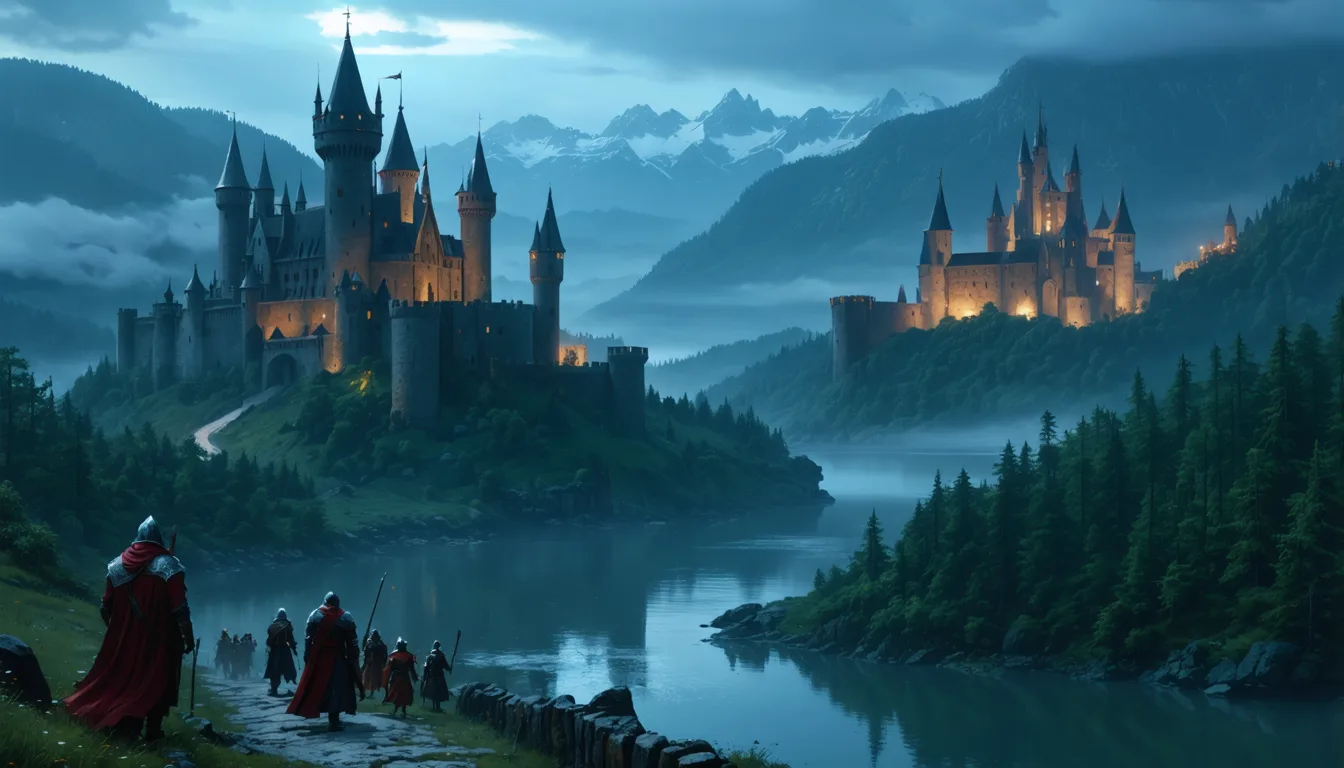
The core gameplay of Heroes of Might and Magic: Olden Era relies on the diversity and complexity of the six present factions. We find: Temple, Necropolis, Sylvan, Dungeon, Hive, accompanied by a mysterious sixth faction whose details remain under embargo but promises to add an extra dimension to the confrontations.
Each faction has its distinct identity:
- Temple: defensive units linked to light and faith, focusing on protection and support.
- Necropolis: undead creatures, focused on resilience and the use of dark magic.
- Sylvan: natural forces embodied by forest creatures and skilled archers.
- Dungeon: organized around subterranean factions, combining magic and clandestine units.
- Hive: insectoid, multicellular, and aggressive armies, playing on speed and rapid reproduction.
This panel is complemented by an interesting mechanic called the Faction Law, an evolving doctrine guiding kingdom development and influencing battle tactics. It encourages players to make distinctive strategic specialization choices, pushing personalization and adaptation according to their objectives.
Furthermore, tactical depth is enhanced by a combat system conducted on a hexagonal grid, inspired by old references like Heroes III while integrating visual and mechanical innovations. The interaction between terrain and units becomes paramount, with environmental modifiers (hills, forests, ruins) affecting mobility and line of sight. This challenge requires precise planning and anticipation of enemy reactions.
Additionally, hero progression offers a rare duality, mixing combat and magical skills with aspects of leadership and cunning. Each hero can be customized with unique artifacts, assembled in sets providing significant bonuses. Some traits will be obtained through faction quests or achievements, thus reinforcing the crucial role of protagonists in the overall strategy.
| Faction | Playstyle | Main Mechanic | Key Units |
|---|---|---|---|
| Temple | Defensive, support | Protection, healing | Paladins, Monks |
| Necropolis | Resilience, dark magic | Resurrection, devastating spells | Skeletons, Necromancers |
| Sylvan | Mobility, archers | Camouflage, long-range shots | Elves, Dryads |
| Dungeon | Infiltration, magic | Offensive spells, ambushes | Assassins, Sorcerers |
| Hive | Aggressive, rapid reproduction | Overpopulation, swift attacks | Giant insects, Queens |
The Delay of the Official Beta of Heroes of Might and Magic: Olden Era in 2025
The launch of the official beta of Heroes of Might and Magic: Olden Era initially expected has been postponed, placing the effective release during 2025. This decision comes from Unfrozen Studio and its partners, Ubisoft and Hooded Horse, who chose to extend the testing phases to refine the experience.
Through these adjustments, the goal is to guarantee a solid final product, balanced and faithful to fans’ expectations. Several hundred testers have been included in the closed beta phase, providing significant feedback on ergonomics, faction balancing, especially the Necropolis and Temple, as well as on the city management interface. This synergy between community and developers is a key element of modern development.
The current test phases cover:
- Tactical hexagonal grid combat with skill evolutions.
- Strategic map exploration and resource gathering.
- Hero development through a complete skill tree.
- Implementation of the first multiplayer modes in preparation.
This is a real opportunity for players to get involved in creation, validating or correcting every aspect of the gameplay. This inclusive dynamic tends to reassure at a time when early-access games are numerous: here, excellence is prioritized over a rushed release.
Multiplayer, Editor, and Community Longevity of Olden Era
Olden Era offers to find the community spirit that has nurtured the Heroes series over the decades. Multiplayer modes allow up to eight players to compete or cooperate in skirmish games with customizable rules. This flexibility ensures a strong renewal of sensations and long-term engagement.
The integrated editor is a cornerstone of this experience, offering the possibility to create custom campaigns and maps. This system echoes past successes, enabling limitless creativity and direct interaction via the Steam Workshop or private servers, thus strengthening the appeal and longevity of the game.
The “Arena” mode completes the multiplayer offer, proposing quick tactical duels. This facilitates learning the subtleties of turn-based strategy and encourages friendly or more serious competitions.
To illustrate, a recent community campaign saw hundreds of custom maps emerge, some reaching several thousand downloads, a bright testimony of public enthusiasm.
List of key multiplayer features:
- Up to 8 players per game in cooperation or competition.
- Advanced settings for victory conditions and game speed.
- Complete map editor with direct Steam Workshop integration.
- Arena mode for short strategic duels.
- Support for private servers for tournaments and community leagues.
Modernization and Gameplay Comfort: Innovations in Olden Era’s 2025 Version
The development of Heroes of Might and Magic: Olden Era innovates by integrating modern features favored by the community. These options aim to improve gameplay comfort without denaturing the tactical essence that makes the series famous.
Among these advances, mention:
- Command queues: allowing the planning of several actions in sequence to streamline the flow of combat.
- Configurable auto-combat system with the option to cancel at any time, easing pressure during repetitive skirmishes.
- Quick saves and simultaneous turn rotations to minimize downtime in multiplayer.
- Weekly events and daily challenges renewing long-term interest.
- Total absence of microtransactions on gameplay, guaranteeing a fair and transparent balance.
This modernization is part of a constant concern for balance between tradition and innovation, appealing both to nostalgic fans and a new generation enlightened in strategy. Respect for ludic integrity also reassures against the current abundance of paid content flooding the market.
Based on initial feedback during the alpha phases, the strategic intensity, richness of tactical choices, and depth of the skill tree are particularly appreciated. This dynamic invites considering Olden Era not only as a tribute but also as a renewed benchmark in the turn-based strategy game genre.