
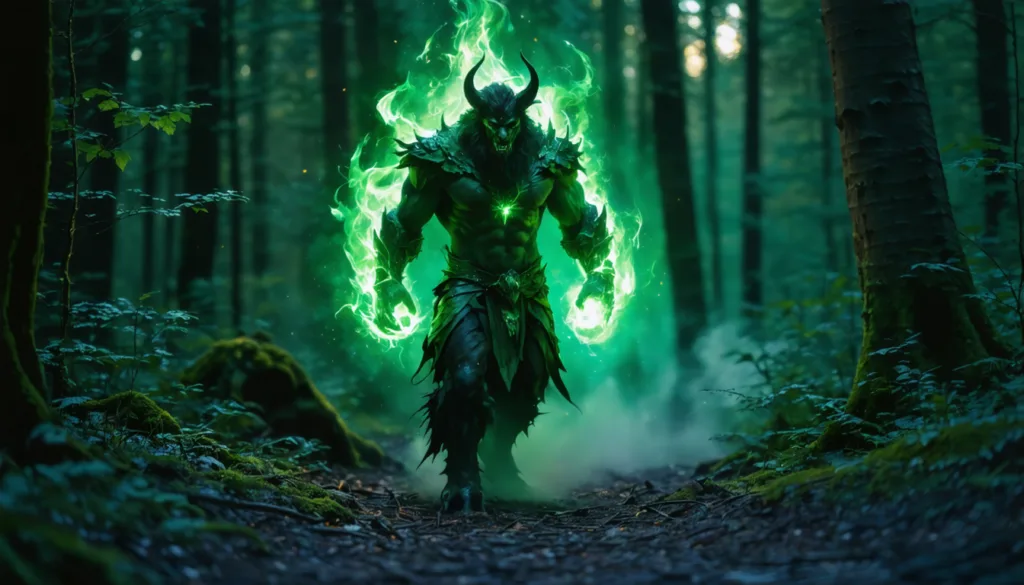
In Path of Exile 2, the Druid establishes itself as a fascinating class, brilliantly combining the power of spells with the savagery of animal transformations. This evolution, presented in the Last of the Druids update, redefines the traditional Druid archetype by introducing a rich and unique gameplay dynamic. Let’s explore together:
- The narrative foundations that breathe a soul into the Druid, the last of his people.
- The duality between elemental magic and animal metamorphoses that makes all its appeal.
- The animal forms, each endowed with truly deadly unique skills.
- The innovative talisman system that revolutionizes build possibilities.
- The ascendancies that further deepen the complexity and diversity of strategies to adopt.
Get ready to dive into the world of a master of spells who is both mystical and brutal, a character that invites rethinking the gameplay of modern action RPGs.
A Deep Narrative Identity: The Druid, the Last Survivor of a Wild People
The Druid in Path of Exile 2 is not limited to a simple role as a spellcaster or animal-shaped fighter. He carries a heavy narrative weight, embodying the last representative of a decimated people. This personal tragedy colors every action and gives the class a rare emotional dimension in the RPG genre. We feel this pain and primal rage through its gameplay: no longer just about simple summons, but about unleashed power at the heart of chaos.
This tragic story brings a darker breeze over the figure of the Druid. His summons metalize spells with renewed intensity, capable of pulverizing hordes of enemies, just as his bestial cries awaken a predator’s instinct on the edge of control. This duality adds tangible tension to every movement through the labyrinthine maps of Path of Exile 2. The game does not only celebrate harmonious nature but reveals its brutal and primal side.
For example, in high-endgame zones, ambient effects such as dense mist and oppressive silences reinforce this ultimate isolation aspect of the Druid. One quickly understands that every spell cast or transformation performed is a desperate cry for survival. This strong narrative context is a guiding thread that fuels the entire gaming experience, making the Druid far more than just another class.
Through this lens, the figure of the Druid renews itself, embracing both the melancholy of a hero on the brink of extinction and the fury of a fighter ready to do anything to survive. This narrative approach is an invitation to fully immerse yourself in the role, whether you are a fantasy fan or a tactical video game enthusiast. It is a great success for Grinding Gear Games, which leverages this foundation to support all the complex mechanics that will follow.

Spell and Wild Form Hybridization: An Innovative Mechanic
The core of the Druid’s gameplay lies in its successful hybridization between mastery of magical skills and wild transformations. Unlike classic archetypes that are often fixed, you constantly juggle between human and animal forms. This fluid and tactical shift is more than a visual effect: it profoundly modifies resource management, combos, and combat pacing.
For instance, in his human form, the Druid casts powerful spells, such as lightning or lava eruptions, to control space and weaken enemies at a distance. Then, you can instantly switch to wolf or bear form to engage in melee, breaking the enemy’s rhythm with fierce attacks and brutal control. The shape change does not break continuity: some spells persist on the field and interact with your attacks in animal form, creating an impressive damage chain.
This mechanic promotes active risk-taking and quick decision-making. You must anticipate when to switch to melee while keeping an eye on your resources specific to each form. This complex yet intuitive management renews the way of playing a character in a modern RPG considerably. Moreover, it encourages very diverse styles, ranging from tactical elemental mage to unstoppable wild warrior.
This conception of the Druid requires stimulating micro-management that will excite both beginners and seasoned players. We recommend consulting dedicated builds that detail these complex synergies, available in guides like those offered by Gamers Land. This subtle hybridization represents a revolution for a game of Path of Exile 2’s caliber.
Animal Forms: Specialization and Deadly Power
The Druid’s animal forms demand a dedicated strategy for each, adding an extra layer of customization and specialization in your sessions. Each relies on specific resources and unique attack patterns, making each transformation a distinct playstyle.
- Bear form embodies brute strength and resilience. This wild colossus withstands massive assaults while dealing colossal damage. Its rage management adds an addictive aspect to gameplay, as it amplifies your strikes over the course of the fight.
- Wolf form focuses on mobility and speed. This nervous incarnation favors precise attacks, swift execution, and control effects like freezing enemies. It is an ideal form for hit and run and continuous harassment.
- Aerial form distributes damage over a wide area, combining lightning and fire. This spectacular incarnation dominates crowd control with its explosive arsenal, allowing you to cover the screen with projectiles and provoke destructive chain reactions.
This triple face of the Druid requires the player to understand well the tempos and resources unique to each incarnation. A successful fight in Path of Exile 2 demands knowing when to alternate between these forms to maximize your potential. This mechanic highlights the notion of instinct combined with reflection.
The table below summarizes the main characteristics of each animal form:
| Animal Form | Playstyle | Key Resource | Strengths | Combo Examples |
|---|---|---|---|---|
| Bear | Brute strength / Tank | Accumulated rage | Heavy strikes, high resilience | Charge + AoE smash |
| Wolf | Mobility / Fast DPS | Nervous energy | Precise attacks, control (freeze) | Surprise attack + quick retreat |
| Aerial (lightning/fire) | Crowd control / Area DPS | Elemental energy | Explosive projectiles, large AoE | Rain of lightning + Chain explosions |
This prospective diversity proves particularly useful when preparing your progression in endgame zones, where every detail counts. The Druid, master of transformations, offers here a perfect balance between variety and specialization.
Animal Talismans: Core of the Build and Creativity
More than just equipment, animal talismans in Path of Exile 2 embody the Druid’s specificity and become true cornerstones of your character build. These items with varied powers not only modify your stats but also determine the form you can adopt and the skills you use in each transformation.
This mechanic completely transforms how builds are conceived. The composition of your talisman collection resembles deck-building in a card game, where each piece fits together to offer new and powerful combinations. You can design a Druid focused on:
- Lightning and claws for a fast, explosive, and nervous style.
- Fire and volcanoes for massive destruction capability.
- A hybrid tank version fueled by rage to last longer in combat.
This system encourages continuous experimentation. Configuration failures are never frustrating but serve as learning opportunities and fun. Some surprising builds emerge, where the Druid becomes a true unexpected “monster,” mixing earth effects and bestial attacks in unlikely combos. To deepen this theme, find leads and detailed examples in an excellent guide available on Gamers Land.
Key Advantages of the Talisman System
- Extreme variability: multiple playstyles possible through a single class.
- Strategic adaptability: rapid changes depending on encounters.
- Immersive approach: the player truly creates their wild identity.
- Complex synergies: combinations of spells and forms that are both dynamic and powerful.
Ascendancies and Advanced Strategies to Tame the Druid
To deepen the experience, the Last of the Druids update introduces dedicated ascendancies that add an unprecedented layer of depth. These specializations allow pushing certain facets of the class towards very technical and optimized horizons.
You can thus orient your Druid towards varied profiles:
- An elemental caster capable of converting his rage into devastating fire and ice storms.
- An almost prophetic strategist capable of anticipating enemy movements and exploiting their vulnerabilities.
- A master of wild forms who skillfully modulates his transformations to dominate combat.
These paths go far beyond simple tactical choice. They encourage investment in reflection, planning, and micro-optimization. Very advanced players spend as much time mentally crafting their rotations as they do in-game encounters, which perfectly fits the demands of Path of Exile 2’s endgame content.
If you want to concretely visualize the potential of these ascendancies, several gameplay videos with commentary help understand how to maximize combos and exploit each window of opportunity. This type of analysis reveals how Path of Exile 2, through the Druid, reinvents the very notion of a hybrid and adaptive class in the action RPG universe.
In short, this character combining magic, metamorphosis, and tactics offers a captivating challenge, renewing both play pleasure and intellectual complexity. You will find many in-depth feedbacks and comments enriching collective understanding, such as on this site dedicated to video game interpretations: Gamers Land analyses.