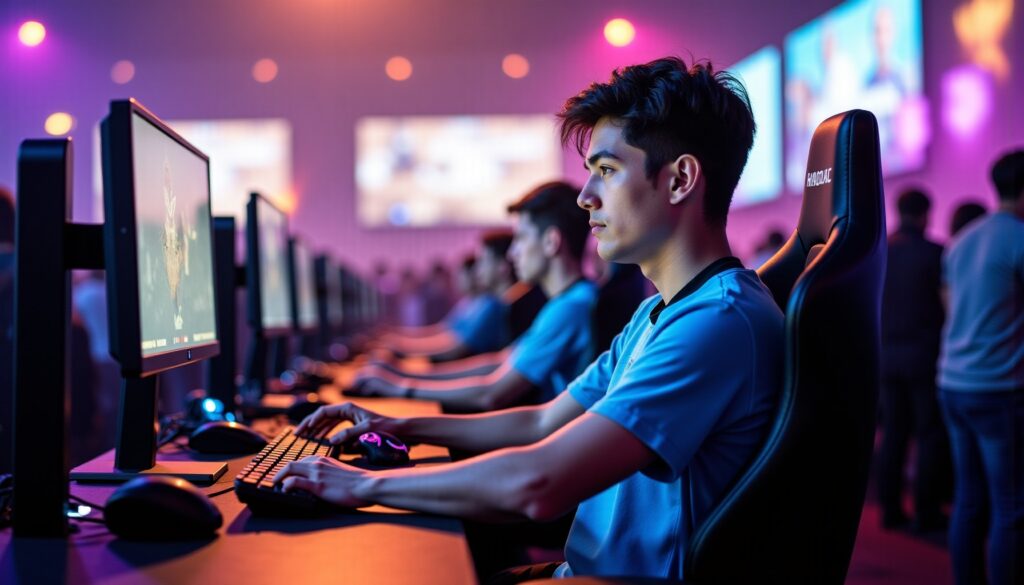
Deadlock already establishes itself as a top competitive game promising to revolutionize the multiplayer gaming scene from its launch. This new title developed by Valve, famous for its iconic franchises such as Half-Life and Portal, brings together under one banner intense action, deep strategy, and a perfectly mastered gaming experience. We discover here an innovative concept that, by mixing the mechanics of classic hero shooters and the strategic elements of MOBAs, builds a unique and engaging universe. Throughout this article, we will cover several key aspects:
- The gameplay features of Deadlock and how they encourage competition,
- The immersive atmosphere and ambitious lore that strengthen the game’s identity,
- The strategic mechanics and personalized hero progression,
- The growing community and esports prospects,
- The challenges to overcome to firmly establish itself in the competitive scene with this new game.
By exploring each of these themes, we will highlight the richness of this new production signed by Valve, which already generates notable enthusiasm and strong anticipation throughout the online gaming world.
Deadlock: an innovative blend between hero shooter and competitive strategy
Deadlock offers a multiplayer experience where teams of six players face off in epic third-person duels, combining tactical dimensions and dynamic actions. This competitive game incorporates elements from games as diverse as Team Fortress 2, Overwatch, and MOBAs like Dota 2. This hybridization achieves a gameplay depth rarely seen in the current competitive gaming landscape.
Deadlock’s maps are vast and structured according to a four-lane model similar to classic MOBA arenas, where team fights, lane protection, and key objective conquests take place. Each hero, equipped with unique weapons, powers, and skills, offers varied tactical possibilities. The introduction of AI enemies and waves of creatures adds a cooperative and extra challenge element, where combat is not limited to human opponents but constantly integrates management of non-player threats.
Dynamism is amplified by very rich movement mechanics: double jump, slide, dash, and zip lines provide increased mobility allowing for original engagement or retreat strategies. For example, in some test matches, complex flanking scenarios based on these mechanics allowed experienced players to gain the advantage in under five minutes.
Another strong aspect lies in the souls system to collect during matches, which can be converted into useful upgrades or items. This mechanism reinforces the strategic dimension because each investment choice during the match impacts the balance of power and can lead to a reversed victory. The challenge is therefore twofold: combining reflexes and anticipation while mastering very tactical resource management, a prelude to high-level competition.
An immersive universe and rich narrative at the heart of the competition
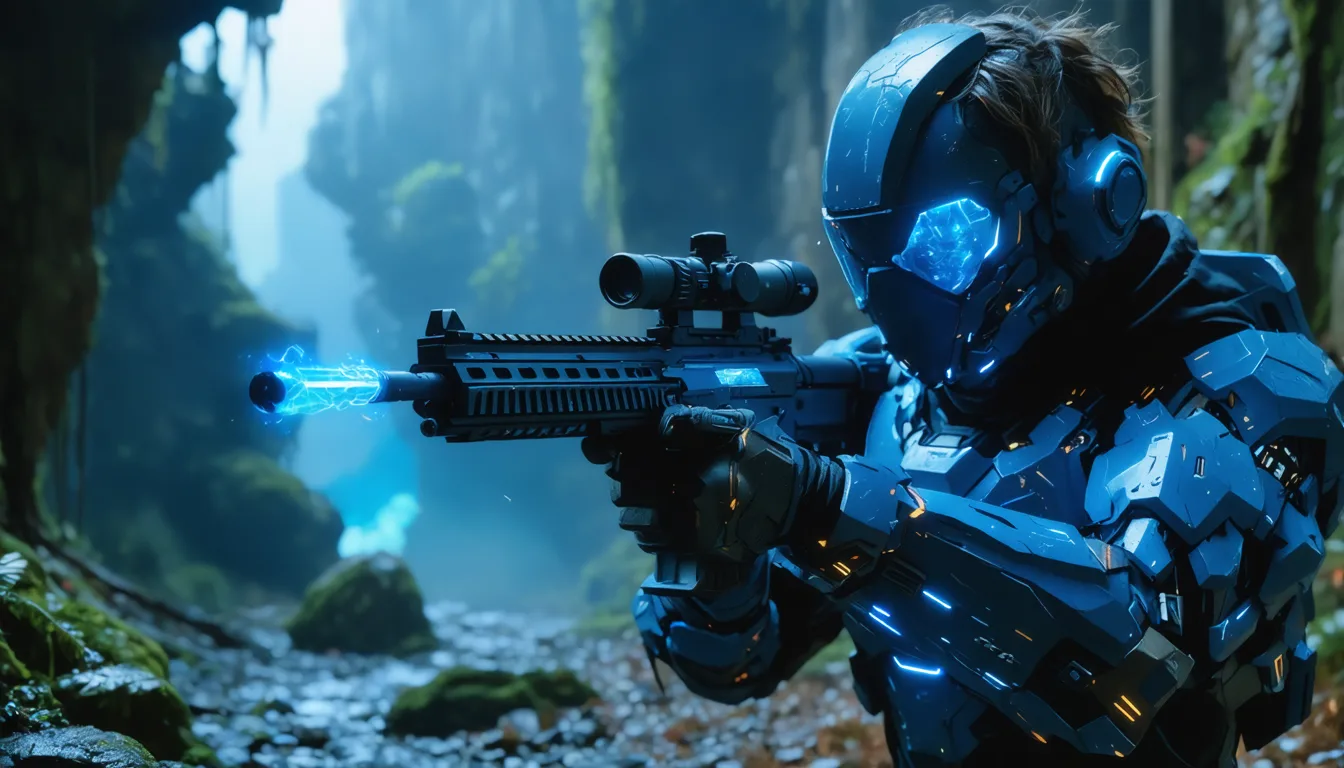
Deadlock is not limited to a simple mix of gameplay mechanics. The universe developed around this new multiplayer game provides a narrative dimension that helps enrich the competitive experience. The setting takes place after a major supernatural event, called The Maelstrom, which opened portals between several dimensions, allowing fantastic creatures, spirits, and formidable colossi to enter our world.
Each hero embodies a figure with a deep desire, seeking to summon their “Patron”, a primordial entity that grants wishes, but only through victory in the ritual symbolized by the destruction of the enemy base. This dynamic introduces a narrative stake for each match, which becomes a multifaceted struggle mixing individuality, cooperation, and confrontation.
Players discover captive stories during their progression in the game and through documents scattered across the maps. In 2026, this effort to blend competition and narrative fits into a major industry trend, valuing a deep context to strengthen attachment to competition and gaming enjoyment. The graphical universe, still in finalization, aims for a clear and readable style, integrating pop culture references, mixing science fiction and action elements, which offers a visual setting both familiar and innovative.
This immersive contextualization not only appeals to story lovers but also provokes stronger identification with the heroes and, by extension, encourages team synergy, essential to stand out in this intense competition. The multiplayer gaming scene is thus enriched by an additional layer that gives matches a unique flavor and extra tension.
Strategy and personalized progression: essential levers of competition
A fundamental point that distinguishes Deadlock in the category of competitive games lies in the variety and strategic depth offered by hero progression throughout matches. The game does not rely solely on reflex mastery but invites players to make tactical decisions with significant consequences.
Heroes have a wide range of skills and can be customized beyond visual skins. Each victory unlocks specific upgrades capable of influencing the outcome of confrontations. For example, a “hacker” specialist can acquire interference abilities, while a “combat medic” will improve their support talents, thus creating a team synergy where each role is indispensable.
The ranking system, integrating seasons and weekly challenges, encourages regularly renewed competition. This model promotes continuous training and pushes players to deepen their mastery of their heroes, in a constant balance between advantages and limits unique to each character. It is no surprise that the early test phases have already counted over 40,000 active players every night on Steam, attesting to the attractiveness of this competitive game.
Here is a list of strategic factors we have observed in Deadlock matches:
- Time management of NPC and boss waves, conditioning progress on lanes,
- Choices of investments in items or upgrades in real time,
- Coordination of specializations to adapt team composition to objectives,
- Control of key zones thanks to increased hero mobility,
- Adaptation of tactics according to opponent progression and the map.
To illustrate this complexity, we can compare Deadlock to other competitive titles from 2025 that marked the scene, as well shown by this article on competitive games in 2025. This tactical richness can therefore be an essential reference for fans eager for intense challenges.
| Aspect | Description | Impact on competition |
|---|---|---|
| Movements | Double jump, slide, dash, use of zip lines | High mobility for strategic maneuvers and fast attacks |
| Progression | Soul collection and real-time upgrade choices | Dynamic adaptation of power according to match flow |
| Team synergy | Compositions of complementary roles (support, offense, tactics) | Strengthening of collective strategies for specific objectives |
Deadlock and the rise of its community on the esports scene
At Deadlock’s early launch, the active community explodes on platforms such as Twitch, Discord, and Reddit. The enthusiasm is tangible, particularly in discussions about underlying mechanics and emerging strategies. Word-of-mouth facilitates rapid growth in the number of players, and Valve commits to performing regular updates to maintain a rigorous competitive balance.
Deadlock’s takeoff on the esports scene is closely monitored, notably in comparison with its direct rivals such as Overwatch 2 or Valorant, which already dominate the sector. Tactical diversity and required cooperation favor a format that could establish itself sustainably in major tournaments, like events such as the Starladder Budapest Major 2025.
The developers also rely on easy access via Steam, ensuring a broad player base, and on strengthening infrastructure to support high-level competition. The most seasoned player community works on developing advanced strategies and pro teams, early signs of a robust and sustainable esports scene.
For those wishing to deepen the discovery of applicable strategies in this type of game, consulting the selection of perfect games on PS Plus can be an excellent initiative to compare dynamics.
Future stakes and prospects for Deadlock on the competitive gaming scene
Deadlock presents itself as a strong candidate to establish itself in the already saturated arena of competitive multiplayer games. Its mix of frantic action, strategic depth, and developed universe creates a unique proposition that appeals to both amateurs and seasoned players. Valve’s ability to maintain updates, adjust balancing, and support a structured esports scene will be decisive for this promising future.
The gaming scene is in perpetual evolution, and Deadlock’s arrival will enrich the diversity of competitive titles, alongside other new releases and staples. Developer support, player investment, and the quality of the collective experience will be essential drivers to sustain attraction.
We can only emphasize how much public access and marketing strategy will play a role in the widespread adoption of the game, similar to successes recently seen in the world of free games on Epic Games.
The Deadlock adventure thus promises to be captivating, combining challenges and intense enjoyment, offering a new essential reference in the category of competitive games from its launch.